OZZIR IMPACT

One of our projects

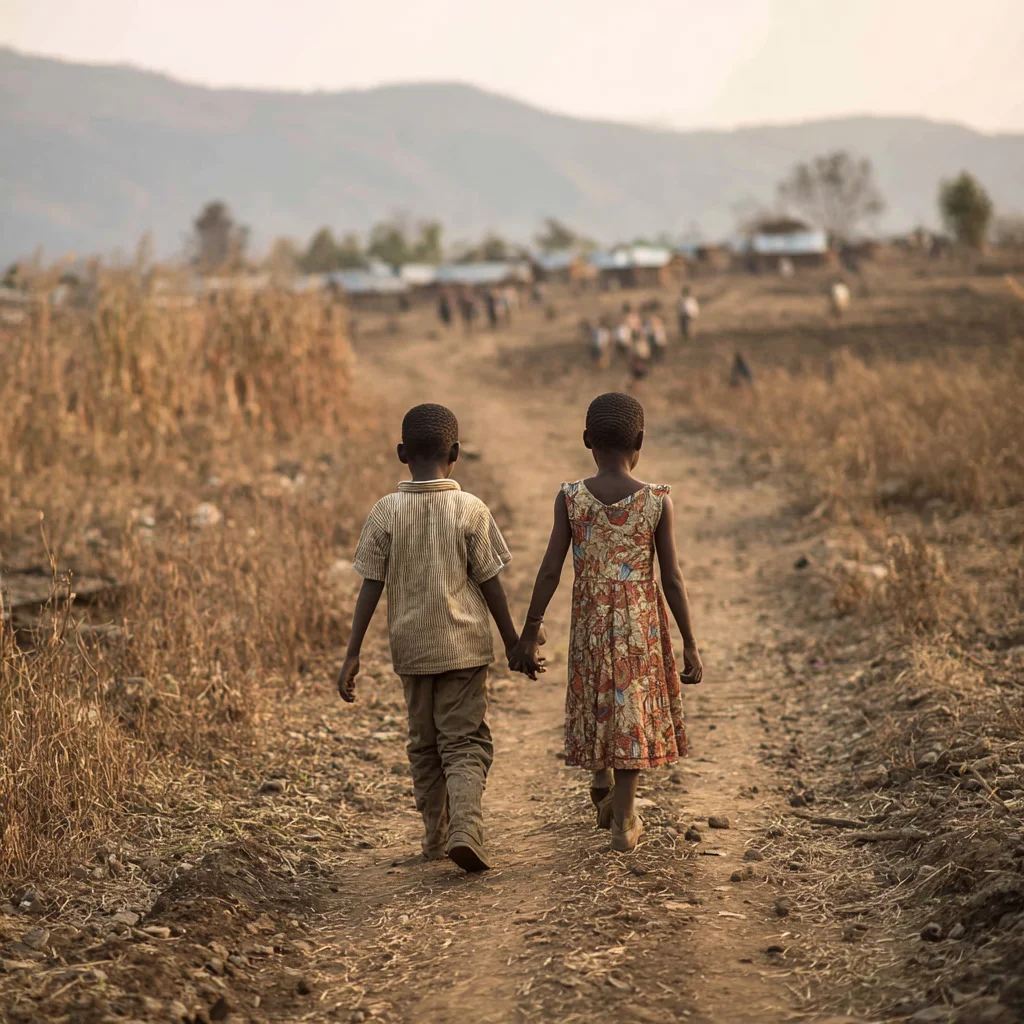
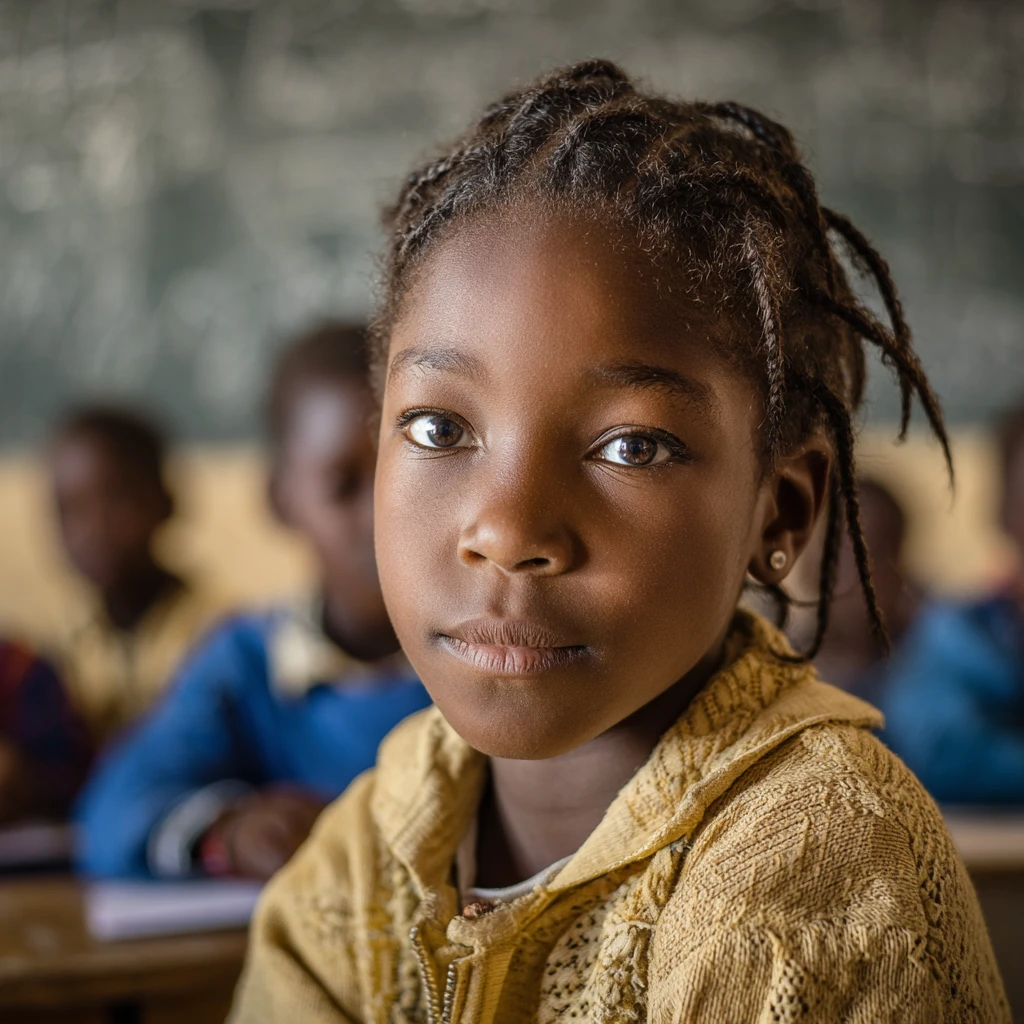
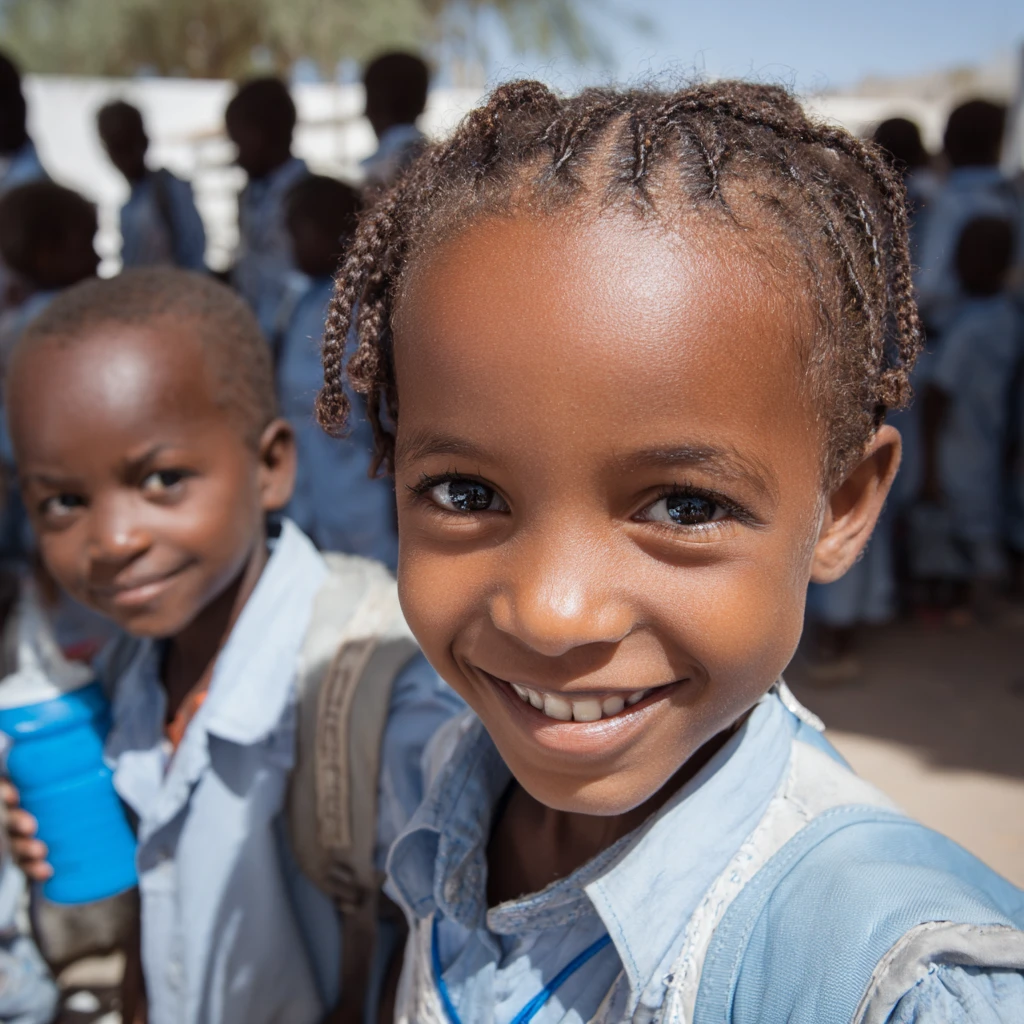
Children out of the mines, on the path to school
Geita, Tanzania

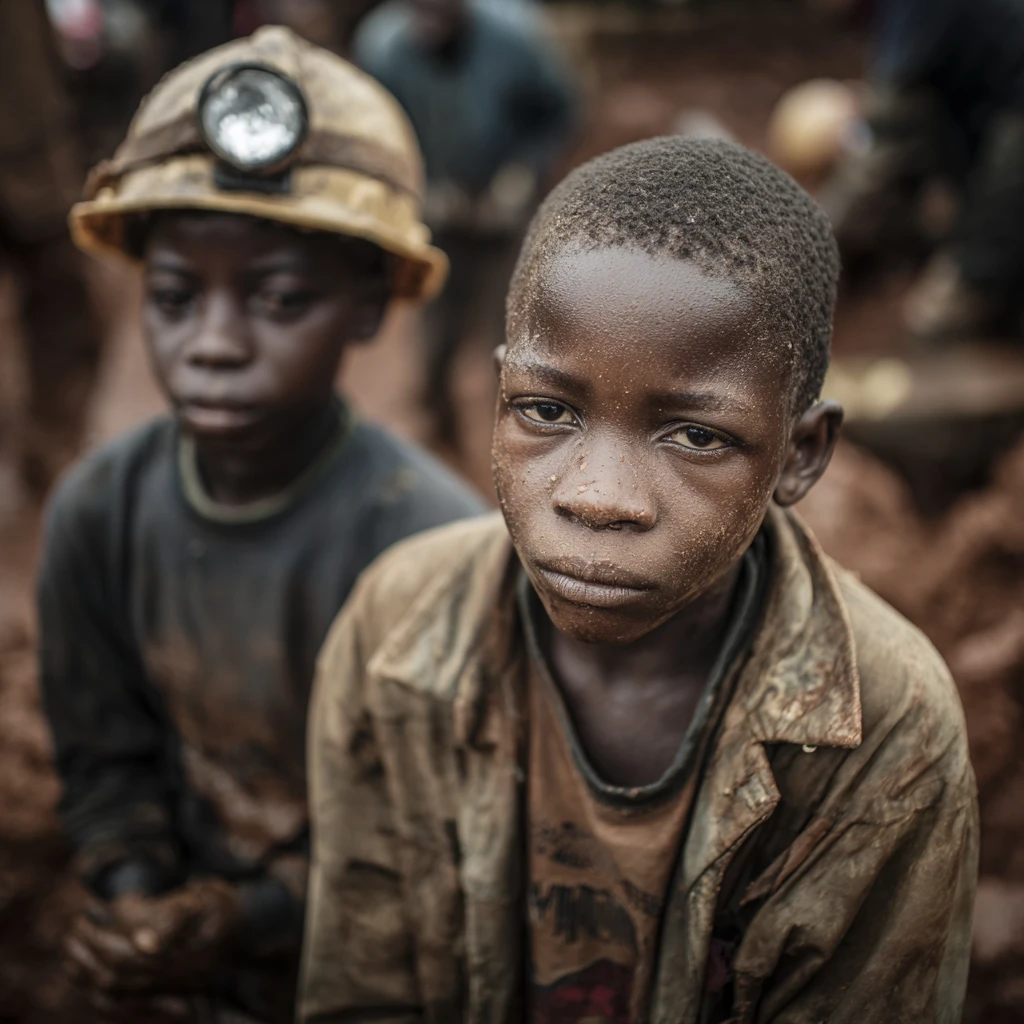
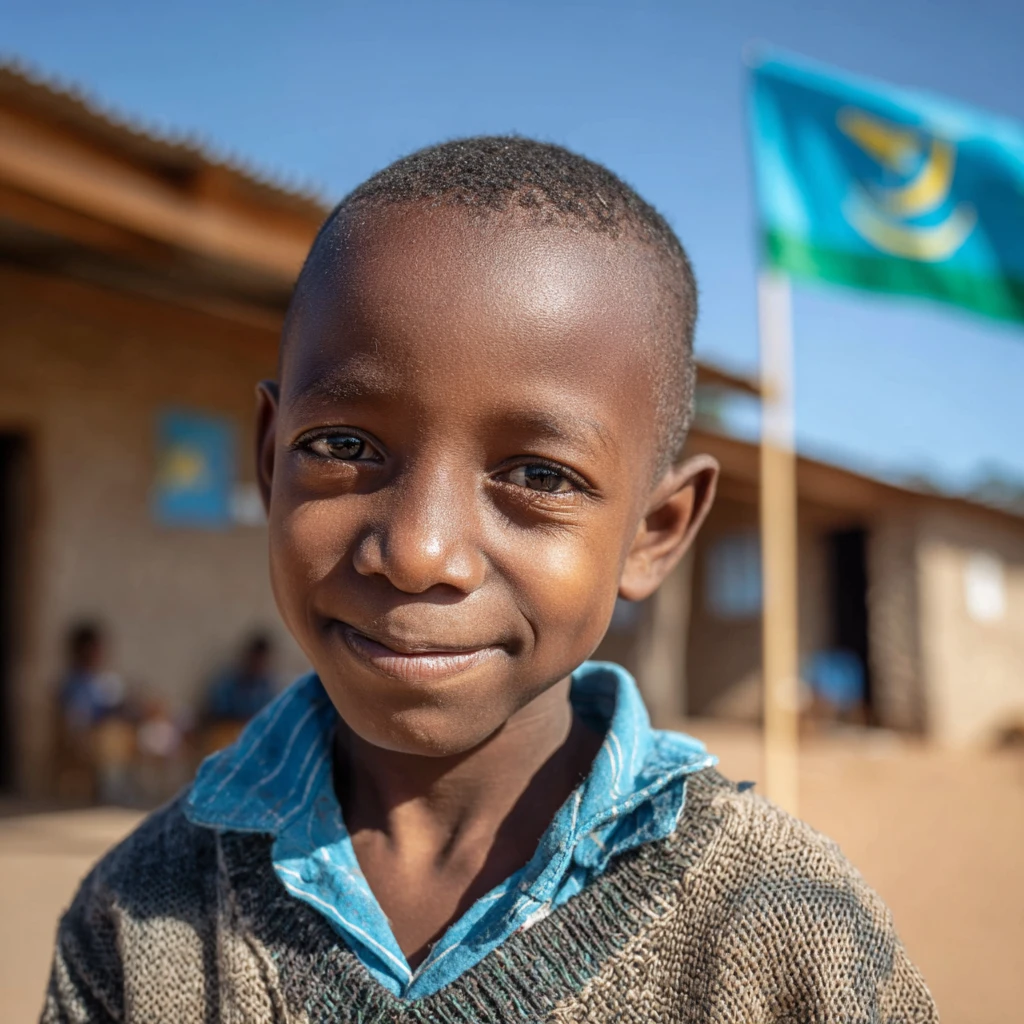
In Geita, poverty and the “hidden costs” of schooling push too many children into artisanal gold mining. Our project supports 25 children over 12 months by fully funding their education, providing close academic follow-up, and strengthening the economic resilience of their families to prevent any return to the mines.

ozzir-impact-projet-enfants-hors-mines-afrique-1

Context & rationale

In the rural districts of Nyang’hwale, Bukombe, and Chato (Geita region, northwestern Tanzania), children as young as 7 leave school to contribute to household income in gold mining sites.

Primary education is officially free, but uniforms, supplies, meals, and transportation remain the responsibility of families, already weakened by seasonal income and long distances to schools. This situation leads to absenteeism, early dropouts, and ultimately perpetuates the cycle of poverty.

Our approach addresses these challenges simultaneously by tackling financial barriers, providing educational support, and improving household income stability.

Objectives & expected outcomes

Our goal is for every targeted child to stay in school, make academic progress, and be protected. We aim for ≥90% attendance and measurable improvement in results over the year. For families, we seek to replace the economic pressure that drives child labor, so that education becomes the norm rather than the exception.

Education support

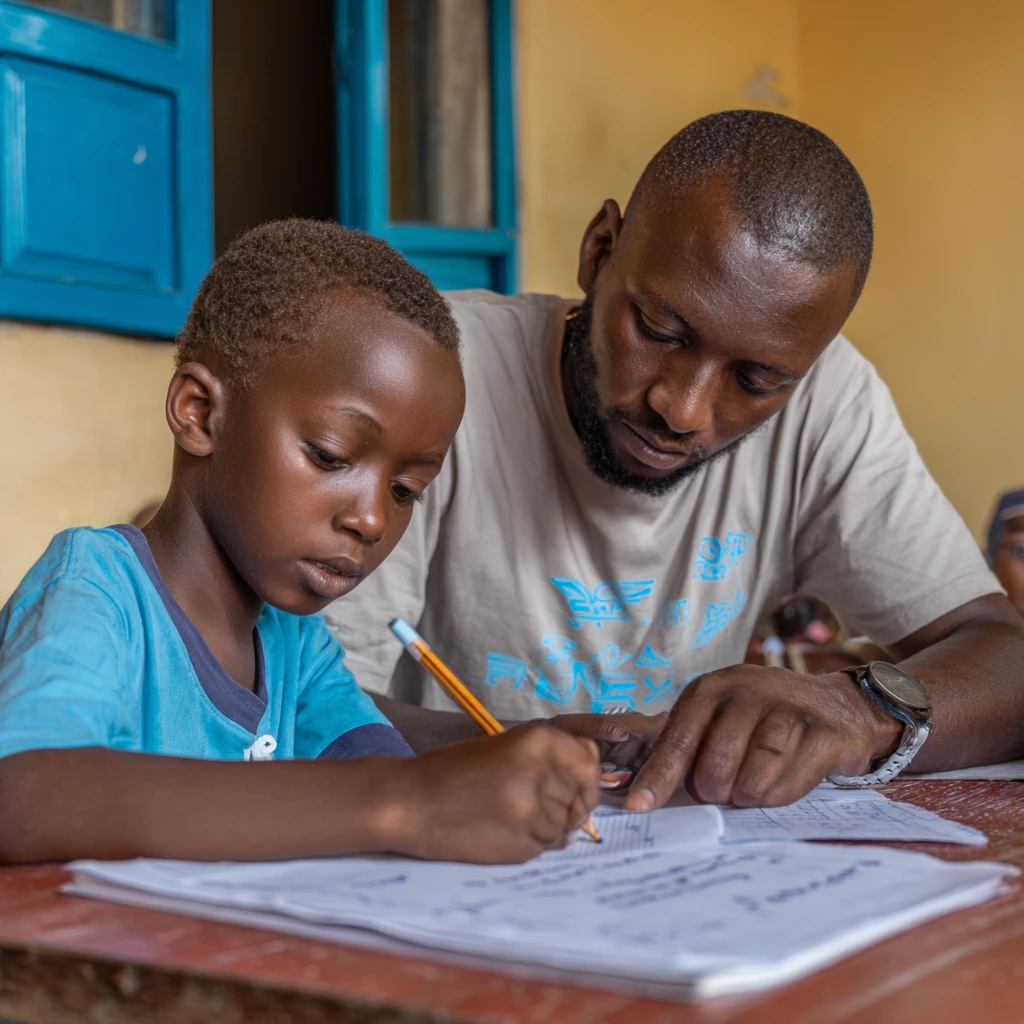
Each child receives a complete school package (fees, supplies, uniforms, meals, basic healthcare) paid directly to schools and providers. A field coordinator and school mentors ensure regular visits and individualized support, with alerts in case of absences. For children living far away, we provide bicycles to reduce travel time and fatigue.
For families, we implement Income-Generating Activities adapted to local skills and markets, such as small food trading near schools, light poultry farming for egg sales, or improved market gardening, combined with basic training, in-kind support, and monthly follow-up.
The program is complemented by child protection measures (safeguarding) and light support to schools (clubs, educational materials).

Beneficiaries & selection

We primarily target children aged 7–15 who are at risk of child labor in mining or school dropout due to financial and logistical constraints. Selection is transparent and collaborative with schools and the community: social and academic file review, a short family–child meeting, committee decision, followed by a tripartite agreement (family–school–project lead). Gender balance is sought, with special attention to children with disabilities.

Implementation & partnerships

The project runs over 12 months with three phases: setup (agreements, selection, initial support), implementation (monitoring, income-generating activities, bicycles), and final review (results, lessons learned, scaling potential). We work with school leaders, district education authorities, and trusted community partners. All expenses are traceable, with no cash transfers to families; purchases are centralized and documented.

Monitoring, transparency & safeguarding

A MEAL system tracks attendance, academic progress, and household economic improvement. Parents and children have access to a simple and confidential grievance mechanism. At the end of the year, we publish a summary report (lessons learned, successes, areas for improvement) to ensure accountability and continuous improvement.

1014.- CHF
Fund the full education and support of a child for one year. By supporting this project, you directly remove children from mines and offer them a future of learning, safety, and dignity. To contribute, learn more, or become a partner, contact us or make a donation today.

Join the Ozzir Impact community!